
111.190150.204 is not a person or ownership claim; it is a numeric label used within the internet’s routing framework. The guide clarifies what the address represents and what it does not. It presents methods to verify reachability, confirm registration, and trace routing paths with objective, reproducible steps. Practical steps are paired with privacy best practices and sober conclusions. For those seeking clarity, the path forward remains grounded in authoritative records and careful verification—but the question of identity stays unresolved.
What 111.190150.204 Really Is (and Isn’t)
What does 111.190.150.204 signify, and what does it not represent? It is a numeric address within the internet’s routing fabric, not a personal identity or definitive owner.
The statement clarifies scope: discovering origins and mapping networks illuminate routes, not assumptions about users.
Purpose remains analytical, objective, and free from gatekeeping.
How to Check If That IP Point Is Yours or Elsewhere
To determine whether the IP 111.190.150.204 is assigned to the reader’s network or to an external entity, one should verify ownership and routing details through authoritative tools and records. The process emphasizes checking ownership and accurate routing data, enabling swift network troubleshooting. This detached appraisal guides readers toward clarity, precision, and freedom from ambiguity in IP attribution.
Practical Steps to Troubleshoot or Research the Address
Practical steps to troubleshoot or research the address begin with a methodical approach: verify basic reachability, confirm ownership, and inspect routing data.
The process favors systematic checks, documented results, and minimal assumptions.
Exploration ethics guide inquiry, while data minimization limits collected details.
Inference remains cautious, sources vetted, and recordings standardized for reproducibility, enabling responsible scrutiny without unnecessary exposure or overreach.
Safety, Privacy, and Good Habits When Exploring IPs
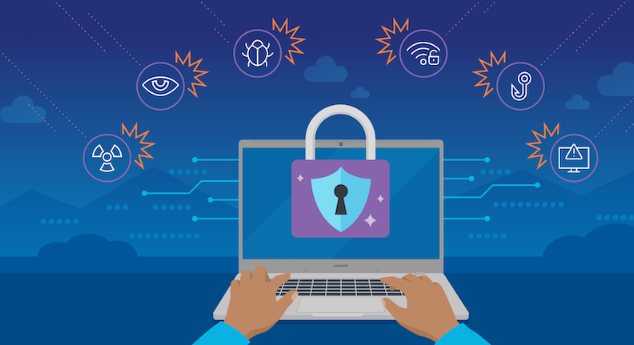
Safety, privacy, and disciplined practice are essential when researching IP addresses, as responsible inquiry minimizes risk to others while protecting the investigator’s own data. The approach emphasizes privacy considerations and ethical hacking, guiding explorers to document findings, respect laws, and avoid harm. Structured routines, secure tools, and transparent reporting support freedom-seeking researchers while maintaining accountability and minimizing unintended consequences.
Frequently Asked Questions
How Reliable Are Reverse DNS Lookups for This IP?
Reverse DNS lookups for 111.190.150.204 are only partly reliable, subject to misconfigurations and privacy settings; reality check: results can be stale or inaccurate. Ethics overview: use corroboration, not sole trust, and respect data sensitivity.
Can This IP Be Traced to a Specific User?
The IP cannot be tied to a specific user with certainty. Privacy concerns and ethical guidelines limit precise identification; traces may only reveal network associations. Objections about general tracing are countered by regulatory requirements and responsible handling.
What Legal Risks Exist When Researching IPS?
Researching IPs carries privacy policy, data encryption, and ethical considerations; legal compliance varies by jurisdiction, requiring caution against doxxing or unauthorized access, and adherence to applicable laws. Risks include liability, civil charges, and reputational harm for those who proceed imprudently.
Is There Harm in Pinging or Scanning This Address?
Pinging or scanning may trigger defensive responses and raise exposure to security warnings; generally, it is not permitively safe. Harmful scanning increases risk, while privacy concerns arise if activity aggregates data or reveals sensitive host information. Freedom-minded researchers weigh legality and ethics.
Which Privacy Tools Best Protect Researchers’ Data?
Privacy tools and data protection techniques are essential for researchers. Network privacy measures, such as encryption, anonymization, and access controls, help safeguard sensitive findings while preserving freedom to explore, share, and verify results without compromising personal information or integrity.
Conclusion
Conclusion:
In the grand, universe-spanning theater of the internet, a single IP like 111.190150.204 is revealed as a mere, infinitesimal waypoint—astonishingly abstract, not a person, not a passport, not a destiny. Proper ownership rests in registries and routes, not rumor. A disciplined investigator treats it as data, not identity, and follows reproducible steps to verify reachability, provenance, and policy. In short: IPs are signals, not selves—document meticulously, assume nothing, and respect privacy at every turn.

 By
By




 By
By