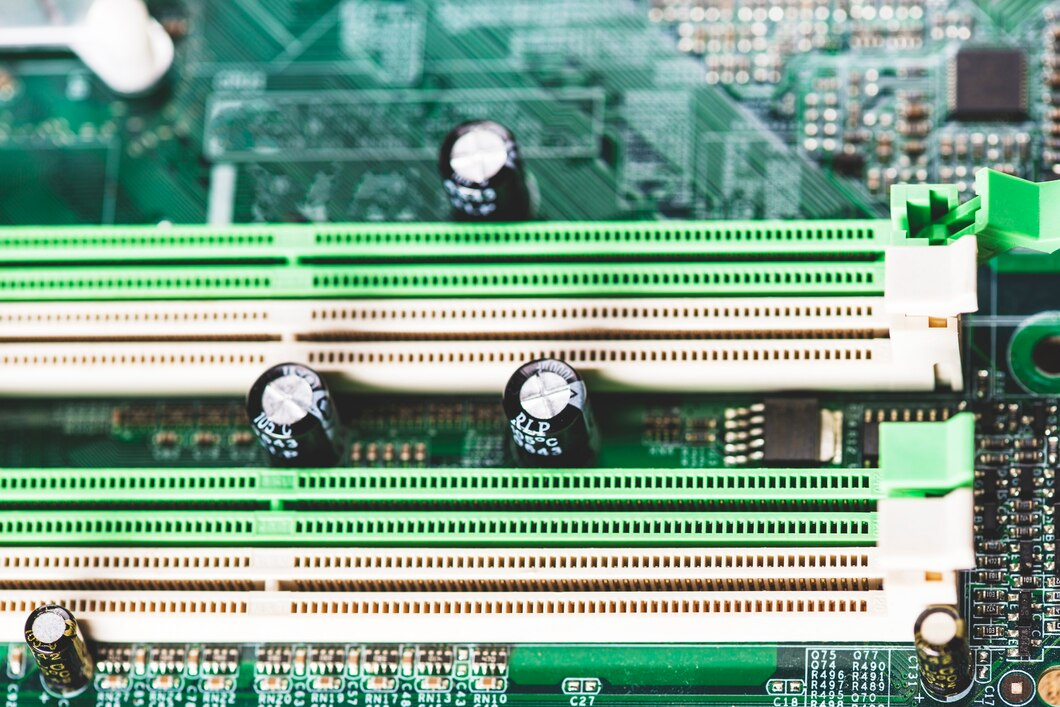

In today’s fast-evolving digital landscape, choosing the right DDR5 Memory Modules is essential for building high-performance servers that can manage complex workloads efficiently. From cloud computing to artificial intelligence and large-scale data processing, modern systems demand memory that delivers both speed and stability. With support from reliable providers like Ram Exchange, businesses can confidently upgrade their infrastructure to meet growing performance needs.
Understanding DDR5 Technology in Server Environments
DDR5 is the latest generation of memory designed to support next-level computing demands. It offers significant improvements in bandwidth, efficiency, and overall system responsiveness compared to earlier memory standards. These advancements allow servers to process large volumes of data more effectively while maintaining consistent performance across demanding applications.
For server environments, this means smoother multitasking, faster data access, and improved handling of high-intensity workloads. As organizations continue to adopt more advanced technologies, DDR5 helps ensure that systems remain capable and responsive under pressure.
Why Memory Selection Matters for Servers
Server environments operate under constant demand, often running multiple applications and serving numerous users at the same time. This creates a need for memory that can support continuous performance without slowdowns.
Selecting the right memory ensures that systems remain stable and efficient even during peak usage. It also helps reduce delays when accessing data and improves the overall responsiveness of applications. Without proper memory, even powerful servers can struggle to maintain consistent performance.
Capacity Planning for Modern Workloads
Understanding how much memory your server needs is a key part of the selection process. Different workloads require different levels of memory capacity, and choosing the right amount helps avoid performance limitations.
For example, virtualization environments often require higher memory to support multiple virtual machines. Data processing tasks benefit from larger memory pools that allow faster handling of large datasets. By aligning memory capacity with workload requirements, servers can operate more efficiently and deliver better results.
Speed and Bandwidth Considerations
Speed plays a major role in how effectively a server performs. DDR5 memory provides higher bandwidth, which allows faster communication between system components. This results in quicker data processing and improved performance across applications.
Higher bandwidth also supports better multitasking, allowing servers to manage multiple operations without delays. This is particularly important for environments that rely on real-time data processing and quick response times.
Compatibility with Server Hardware
Choosing memory that is compatible with your server hardware is essential for stable operation. Not all systems support every type of memory, so it is important to check specifications before making a decision.
Factors such as motherboard support, processor compatibility, and supported memory speeds must be considered. Ensuring proper compatibility helps prevent system errors and ensures that the memory performs as expected.
Reliability and Stability in Enterprise Systems
Servers are designed to run continuously, often for long periods without interruption. This makes reliability a critical factor when selecting memory. High-quality memory helps maintain consistent performance and reduces the risk of system failures.
Reliable memory also supports better data integrity and minimizes the chances of crashes during heavy workloads. This is especially important for businesses that depend on uninterrupted operations.
Scalability for Future Growth
As technology evolves, server requirements continue to grow. Choosing memory that supports scalability allows systems to adapt to future needs without major changes.
Scalable memory solutions make it easier to expand capacity as workloads increase. This helps organizations stay prepared for growth while maintaining strong system performance over time.
Energy Efficiency and Thermal Performance
Modern servers must balance performance with energy efficiency. DDR5 memory is designed to use power more effectively, which helps reduce energy consumption and heat generation.
Lower heat levels contribute to better system cooling and overall stability. This not only improves performance but also supports long-term reliability in demanding environments.
See also: Understanding the Role of Advanced Electrical Components in X-Ray Technology
Role of Trusted Providers in Memory Selection
Selecting the right memory involves more than just technical specifications. Working with a trusted provider ensures access to reliable and compatible solutions that meet modern performance requirements.
Ram Exchange plays an important role in supporting businesses with dependable memory options designed for high-performance servers. Their focus on quality and efficiency helps organizations build systems that are both powerful and future-ready.
Practical Tips for Selecting the Right Memory
When choosing memory for your server, it is helpful to follow a clear approach. Start by understanding your workload requirements and evaluating system compatibility. Focus on achieving a balance between speed and capacity while ensuring long-term reliability. It is also important to plan for future growth and consider how your system may need to scale over time. Making informed decisions at this stage can help avoid performance issues later.
Conclusion
Choosing the right memory is a crucial step in building a high-performance server. From capacity and speed to compatibility and scalability, each factor contributes to overall system efficiency and reliability. With the increasing demands of modern computing, having the right memory ensures your infrastructure remains strong and adaptable. Ram Exchange continues to support businesses with reliable solutions that meet evolving technology needs. If you are planning to upgrade your server or need expert guidance, contact us today to explore the best memory options for your high-performance systems.


 By
By