
Digital literacy has become a cornerstone of modern life. It involves a set of skills essential for navigating the digital landscape. As technology advances, the ability to assess information and maintain online safety grows increasingly critical. Yet, many individuals face hurdles in acquiring these skills. Understanding the scope and significance of digital literacy raises important questions. What challenges do people encounter, and what resources can assist in overcoming them? The answers may surprise you.
The Definition and Scope of Digital Literacy
Digital literacy encompasses a broad range of skills necessary for navigating the information-rich landscape of the 21st century.
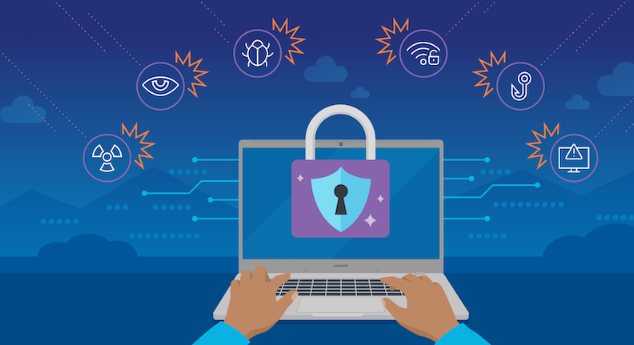
It includes the ability to engage in digital communication effectively while ensuring online safety.
As individuals seek freedom in their digital interactions, understanding how to assess information critically, protect personal data, and utilize technology responsibly becomes essential for fostering an empowered and informed society.
The Importance of Digital Literacy in Everyday Life
As society increasingly relies on technology for daily interactions and decision-making, the significance of digital literacy becomes ever more apparent.
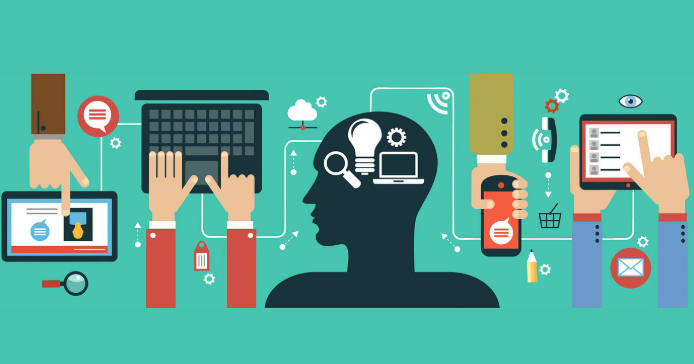
Proficiency in online communication empowers individuals to connect, collaborate, and share ideas effectively.
Moreover, embracing digital citizenship fosters responsible behavior in virtual spaces, ensuring that one navigates the digital world with confidence, awareness, and respect for others, ultimately enhancing everyday life.
Challenges in Developing Digital Literacy Skills
Navigating the digital landscape presents a range of challenges that can hinder the development of digital literacy skills. Access disparities limit opportunities for learning, leaving many individuals ill-equipped to engage meaningfully online.
Moreover, fostering critical thinking skills is essential, yet often overlooked in traditional education. Addressing these challenges is crucial for empowering individuals to thrive in an increasingly digital world.
See also: Dive into the Latest Technological Marvels Shaping Modern and Stylish Lifestyles
Tools and Resources for Enhancing Digital Literacy
Access to effective tools and resources is vital for enhancing digital literacy skills in today’s interconnected world. Online courses, interactive tools, and educational games provide engaging learning experiences.
Community workshops foster collaboration, while digital resources and multimedia content enrich understanding. Virtual platforms and learning apps further empower individuals, making digital literacy accessible and enjoyable, ultimately promoting independence and critical thinking in a digital age.
Conclusion
In a world where digital literacy is hailed as the key to enlightenment, one might ironically find that the very tools meant to empower often leave many in the dark. As society races to adapt to ever-changing technologies, the irony lies in the fact that the pursuit of knowledge can sometimes lead to confusion and misinformation. Thus, fostering true digital literacy is not merely an option but a crucial endeavor to illuminate the path for all in this complex landscape.


 By
By