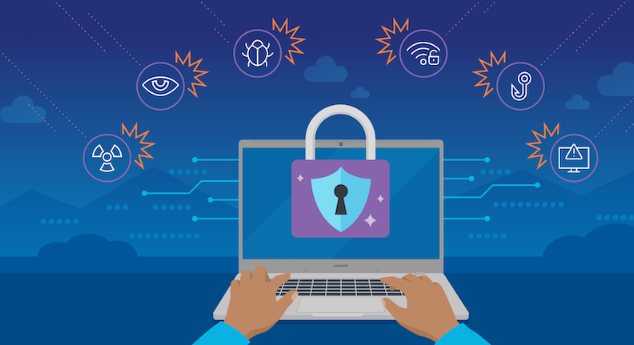

The shift to remote work has introduced significant cybersecurity challenges. Employees now face increased exposure to data breaches and phishing attempts. Without proper safeguards, sensitive information is at risk. Essential tools like VPNs and password managers are critical, yet many remain unaware of their importance. Additionally, fostering a culture of cyber awareness is paramount. Understanding these elements can enhance security measures, but what specific strategies can organizations implement to protect their remote workforce effectively?
Understanding the Risks of Remote Work
As remote work becomes increasingly prevalent, understanding the associated risks is crucial for both employees and organizations.
Key risks include phishing threats, which exploit human error, and unsecured networks, often used by remote workers without adequate protection.
These vulnerabilities can lead to data breaches, compromising sensitive information.
Awareness and proactive measures are essential for maintaining cybersecurity and safeguarding individual and organizational freedoms in this evolving landscape.
Essential Tools for Secure Remote Access
Implementing essential tools for secure remote access is critical for mitigating cybersecurity risks faced by remote workers.
VPN solutions provide secure connections, while password managers safeguard credentials.
Endpoint protection ensures devices are safeguarded against threats, and multi-factor authentication adds an additional layer of security.
Together, these tools empower remote workers, enabling them to operate freely and confidently in a digital landscape fraught with vulnerabilities.
Best Practices for Personal Device Security
How can remote workers ensure the security of their personal devices?
Implementing a personal firewall is essential to monitor and control incoming and outgoing traffic, protecting against unauthorized access.
Additionally, utilizing device encryption safeguards sensitive information by making it inaccessible to unauthorized users.
These practices not only enhance security but also empower remote workers to maintain their freedom while navigating the digital landscape safely.
See also: Customer Data Platforms Explained
Creating a Culture of Cyber Awareness
What steps can organizations take to foster a culture of cyber awareness among remote workers?
Implementing comprehensive training programs is essential, focusing on real-world scenarios.
Regularly conducted phishing simulations can effectively assess and enhance employee vigilance.
Additionally, encouraging open communication about cyber threats promotes a proactive mindset, empowering remote workers to take personal responsibility for cybersecurity, ultimately securing the organization against potential breaches.
Conclusion
In an age where convenience often trumps caution, remote workers may find themselves blissfully unaware of the lurking threats in their digital environments. Ironically, the very tools designed to enhance connectivity—like unsecured Wi-Fi networks and neglected software updates—can become gateways for cybercriminals. Thus, while the allure of remote work offers flexibility, it also demands a vigilant approach to cybersecurity. Ultimately, the responsibility rests not solely on organizations but equally on individuals to safeguard their cyber frontiers.


 By
By