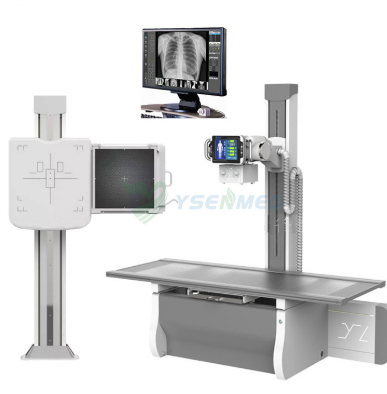

Modern medical imaging heavily relies on precise and reliable equipment, especially when it comes to X-ray machines. Among the critical components that ensure accurate imaging and safety, electrical systems play a pivotal role. One such crucial component is the high voltage power supply for X-ray tube, which forms the backbone of the X-ray machine’s functionality.
Without a stable and efficient high voltage power supply, the X-ray tube cannot generate the required radiation levels, leading to poor image quality or even equipment malfunction. Additionally, fluctuations in voltage or insufficient power can cause repeated scans, increase patient exposure, and accelerate wear on the tube, making maintenance and reliability key concerns for healthcare facilities.
The Importance of Electrical Stability in Imaging
When performing diagnostic imaging, consistency and precision are non-negotiable. Fluctuations in voltage or current can affect the X-ray tube’s performance, causing uneven exposures or repeated scans that increase patient radiation dose. The high voltage power supply ensures:
- A stable electrical output for the X-ray tube
- Smooth generation of X-ray photons for clear imaging
- Reduced wear and tear on internal components
Hospitals and imaging centers rely on these systems to maintain operational efficiency and patient safety.
Components That Make X-Ray Machines Work
X-ray machines are complex assemblies that combine mechanical, electrical, and imaging technology. Apart from the high voltage power supply, several other components play a role in generating clear diagnostic images:
- X-ray tube: The heart of the system where X-ray photons are produced.
- Control console: Allows technicians to adjust exposure parameters.
- Cooling system: Maintains optimal temperature for the tube to prevent overheating.
- Generator for X-ray machine: Supplies the energy needed to operate the tube efficiently.
Each of these components must work in harmony, ensuring the machine delivers high-quality images while maintaining safety standards.
How High Voltage Power Supplies Impact X-Ray Imaging
The high voltage power supply is not just a conduit for electricity; it is a finely tuned device designed to meet the exacting requirements of X-ray tubes. It converts standard electrical inputs into high-voltage outputs necessary for X-ray production. Its functions include:
- Voltage regulation: Prevents sudden spikes or drops that can damage the tube.
- Pulse generation: Produces controlled bursts of electricity for precise imaging.
- Current control: Ensures the X-ray tube receives the exact energy required for consistent exposures.
In the middle of the imaging workflow, the high voltage power supply for X-ray tube ensures stability, making it indispensable for high-quality radiography.
Types of X-Ray Generators
Understanding the types of generators helps imaging centers select the right system for their requirements:
- Single-phase generators: Suitable for smaller facilities; provide basic imaging capabilities.
- Three-phase generators: Offer smoother voltage output, ideal for hospitals with heavy imaging workloads.
- Inverter-based generators: Advanced systems that maintain constant voltage even during fluctuating electrical conditions.
Choosing the right generator ensures that the X-ray machine operates efficiently and safely, reducing downtime and maintenance costs.
Benefits of Modern Electrical Systems in Radiology
Integrating high-quality electrical components into X-ray machines provides numerous advantages:
- Enhanced image quality: Stable voltage and controlled current result in sharper images.
- Reduced radiation exposure: Precise control minimizes unnecessary patient exposure.
- Increased equipment lifespan: Proper voltage regulation prevents premature wear of the tube.
- Operational efficiency: Reliable power systems reduce machine downtime and maintenance interruptions.
These benefits translate into better diagnostics, improved patient safety, and reduced operational costs for medical facilities.
See also: Customer Data Platforms Explained
Maintenance Tips for Electrical Components
To ensure longevity and reliability of X-ray machines, proper maintenance of the high voltage power supply and generators is essential. Key practices include:
- Regular inspections: Check for loose connections, damaged cables, and signs of overheating.
- Cleaning and dust removal: Dust accumulation can lead to voltage fluctuations.
- Calibration checks: Periodically verify voltage and current outputs for consistent performance.
- Professional servicing: Use certified technicians for maintenance to avoid accidental damage.
Consistent maintenance not only extends the life of the machine but also ensures safety for both patients and operators.
Advancements in X-Ray Electrical Technology
Modern electrical systems in X-ray machines have evolved significantly over the years. Some notable advancements include:
- Digital control systems: Allow precise voltage and current adjustments via software.
- Smart diagnostics: Generators and power supplies can self-monitor for faults.
- Energy-efficient designs: Reduce electricity consumption while maintaining performance.
- Compact modules: High-voltage power supplies and generators are now smaller and more integrated.
These advancements make modern X-ray machines more reliable, user-friendly, and cost-effective for healthcare facilities.
Training and Operator Knowledge
Even with advanced electrical systems, proper operator training is essential. Understanding the functions of the generator for X-ray machine and high voltage power supply allows technicians to:
- Optimize machine settings for various diagnostic procedures.
- Identify early signs of electrical issues to prevent downtime.
- Maintain safety standards and minimize radiation exposure.
- Communicate effectively with service personnel for troubleshooting.
Training ensures that equipment is used to its full potential, maintaining both efficiency and patient safety.
Practical Applications in Various Medical Settings
Different medical environments have unique imaging requirements:
- Hospitals: High-volume imaging demands stable generators and robust power supplies.
- Diagnostic centers: Medium-volume settings benefit from energy-efficient systems.
- Dental clinics: Compact high voltage supplies suit smaller X-ray machines.
- Veterinary clinics: Portable or modular systems provide flexibility for different procedures.
Selecting the right electrical systems ensures optimal performance in each of these settings.
Future Trends in X-Ray Electrical Systems
The future of X-ray technology is intertwined with advancements in electrical components:
- Integration with AI and imaging software: Smart systems optimize voltage and exposure parameters automatically.
- Remote monitoring and diagnostics: Predictive maintenance reduces downtime.
- Eco-friendly designs: Focus on energy conservation and sustainable materials.
- Miniaturization: Smaller, more efficient components for compact imaging solutions.
Adopting these trends allows medical facilities to stay ahead in imaging technology and patient care standards.
Conclusion
A reliable high voltage power supply for the X-ray tube ensures stable operation and precise imaging. At the same time, a well-designed generator for X-ray machine provides the necessary energy to power the tube and maintain consistent performance. Together, these components form the foundation of modern radiology equipment, guaranteeing patient safety, operational efficiency, and accurate diagnostics.
For medical facilities looking for dependable solutions in X-ray equipment, VJ X-Ray offers state-of-the-art high voltage power supplies and generators that guarantee consistent performance and superior image quality. Their solutions are designed to meet the diverse needs of hospitals, diagnostic centers, and clinics while ensuring safety and efficiency in every procedure.



 By
By